IALACOLREG
View your progress

Boating knots for beginners

Start with the job, then choose the knot. Sixteen boating and sailing knots, each with its own study page: what it's for, how to check it, the mistakes that make it fail and a quick test.

Tie knots in the 3D studio

A virtual rope on your screen: watch each move, copy it, choose over or under and check your knot.

Open the knot studio

Nautical knots: the study library

16 useful sailing knots, one page each: what it's for, how to check it, the mistakes that make it fail and a quick test.

16 knots

What do you need to do?

Start with three useful knots

Make a fixed loop, stop a line slipping through an opening, or join two lines. Choose a task to see the knot, its checks and its limitations.

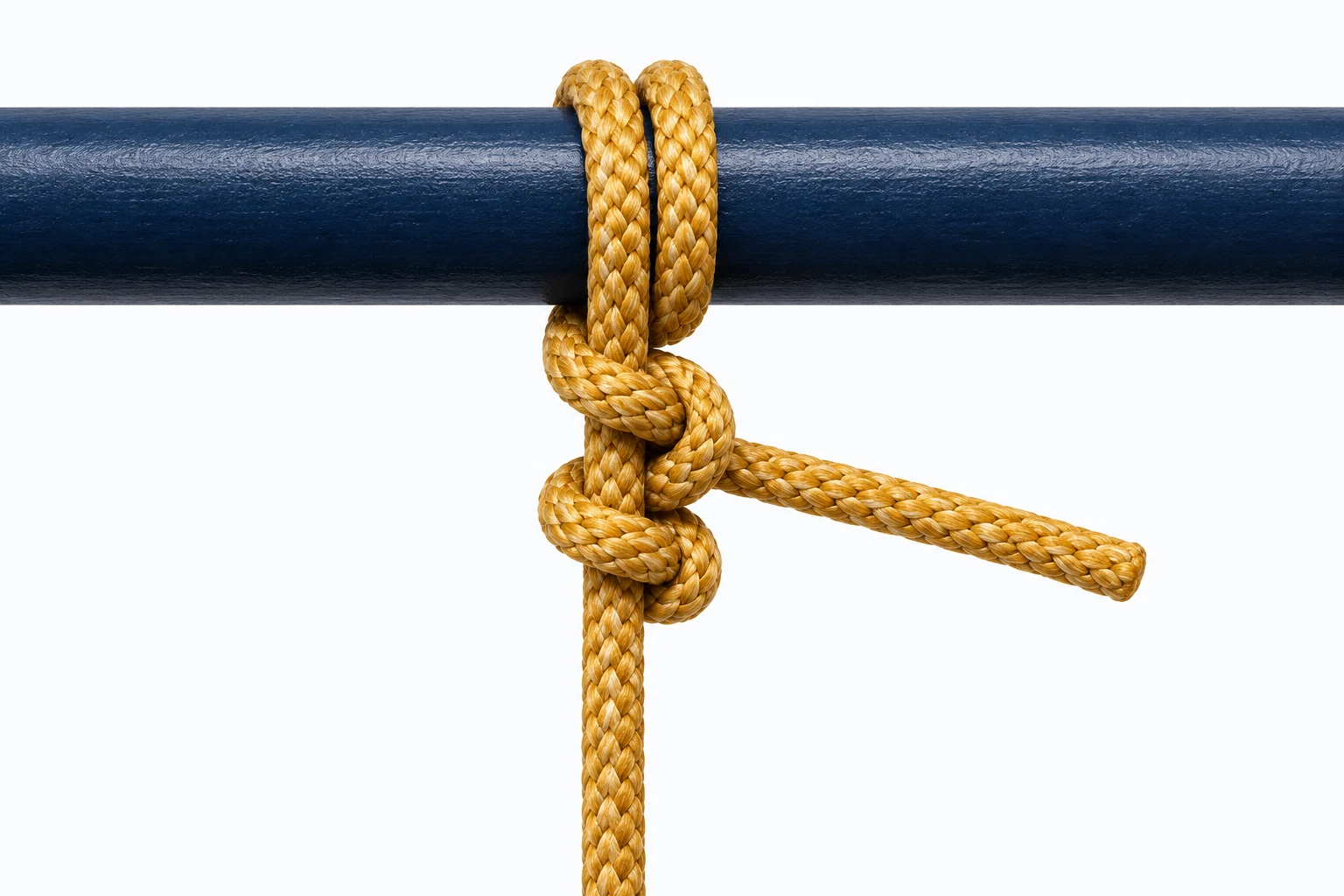
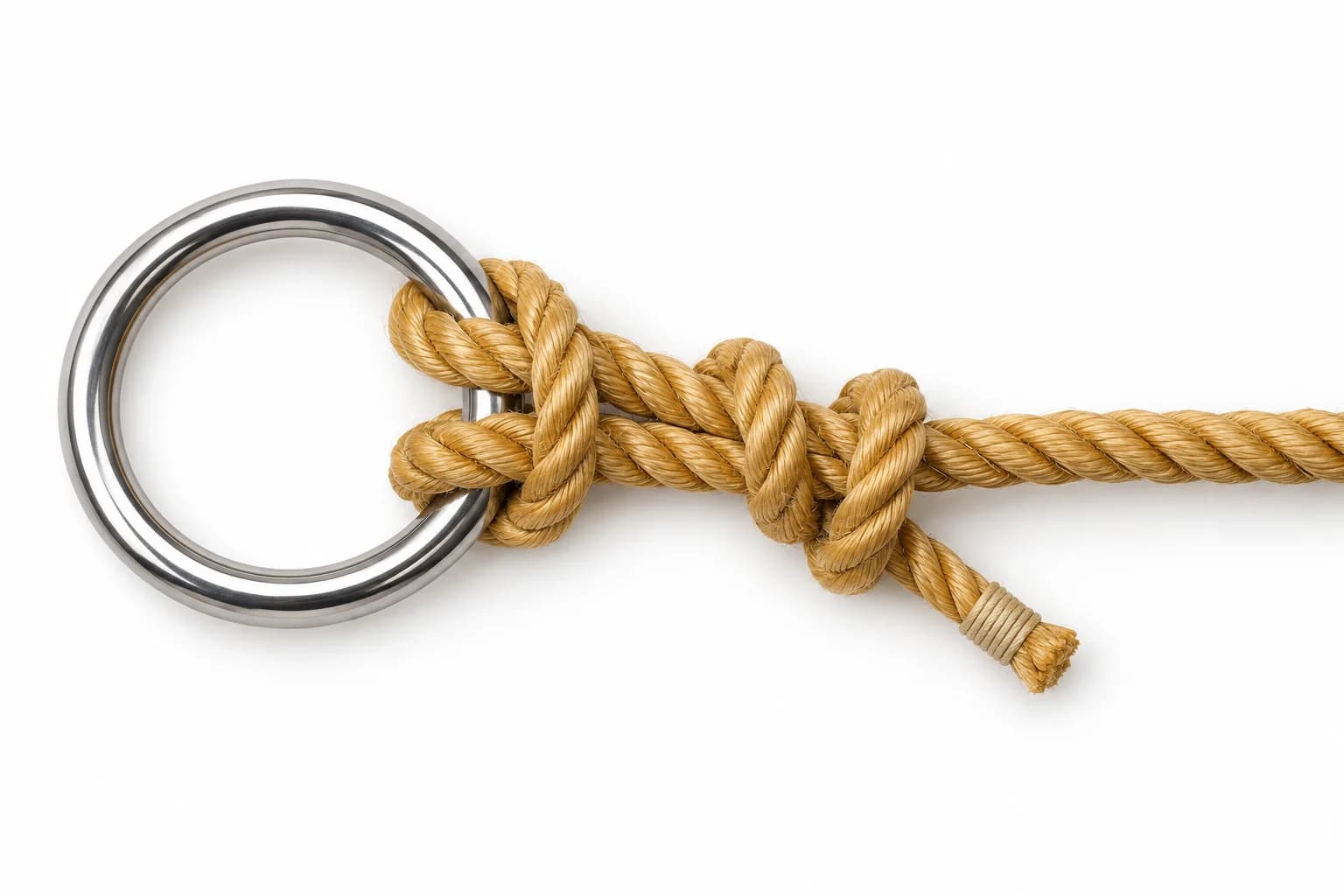
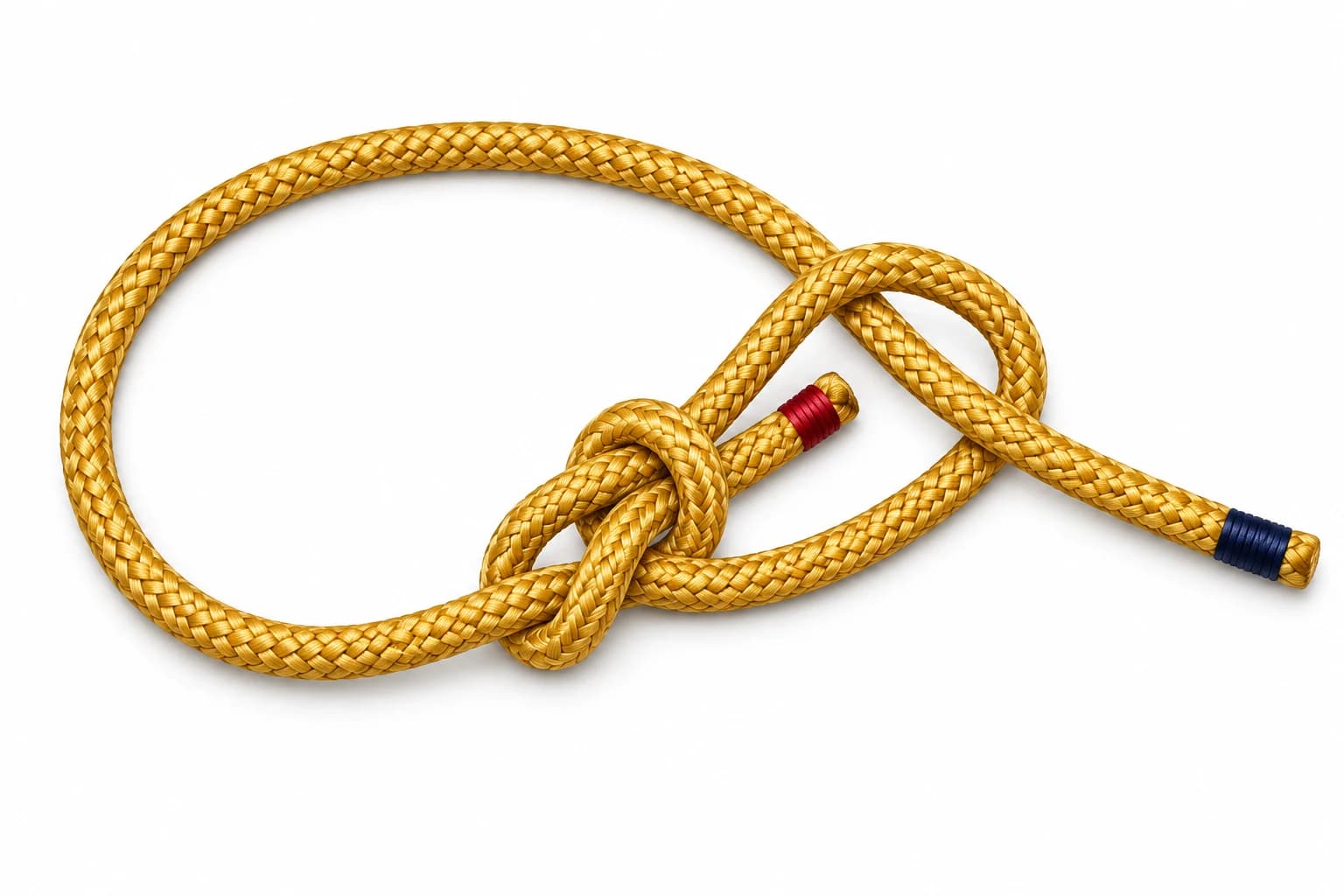
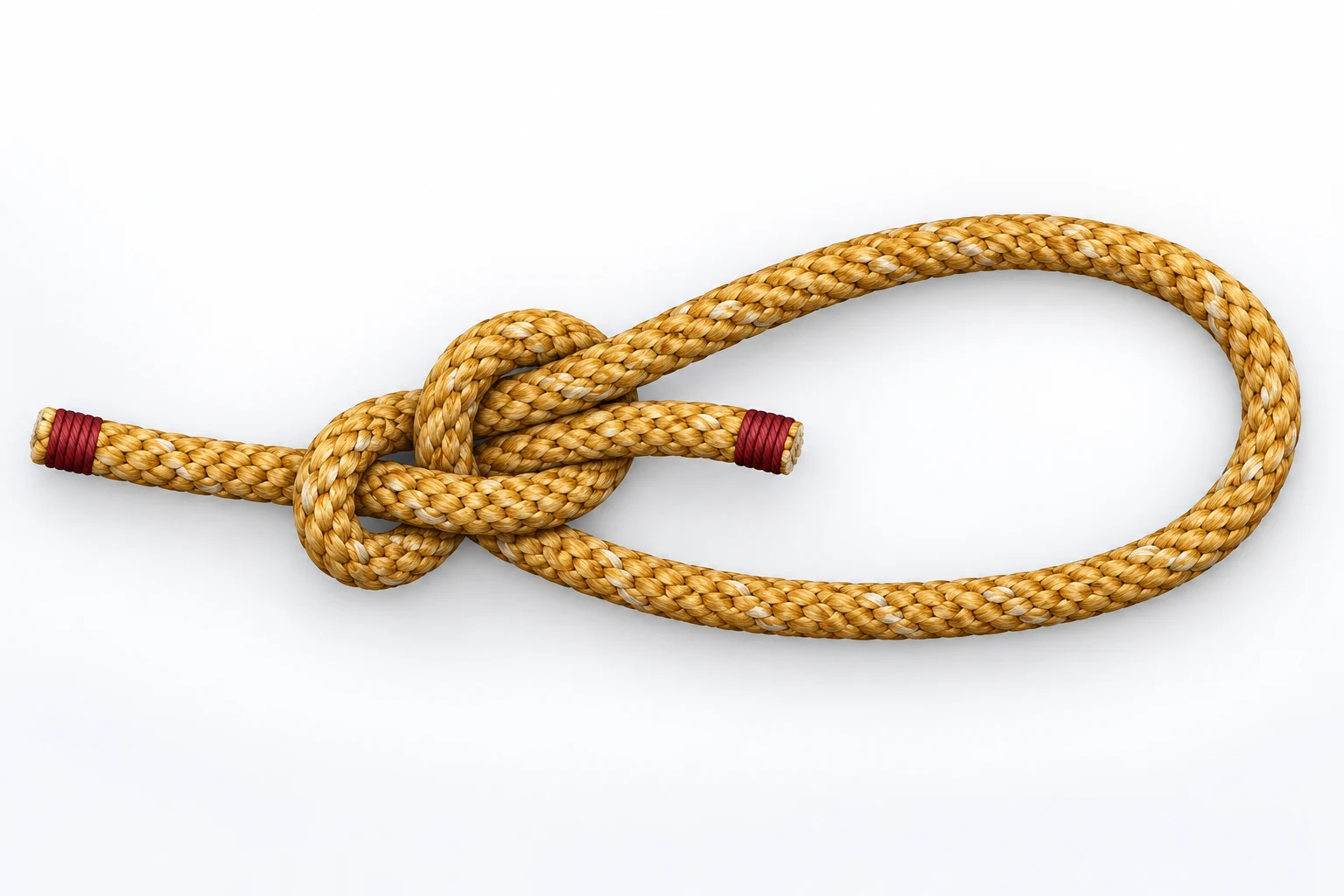
  1. Need a fixed loop? Start with the bowline

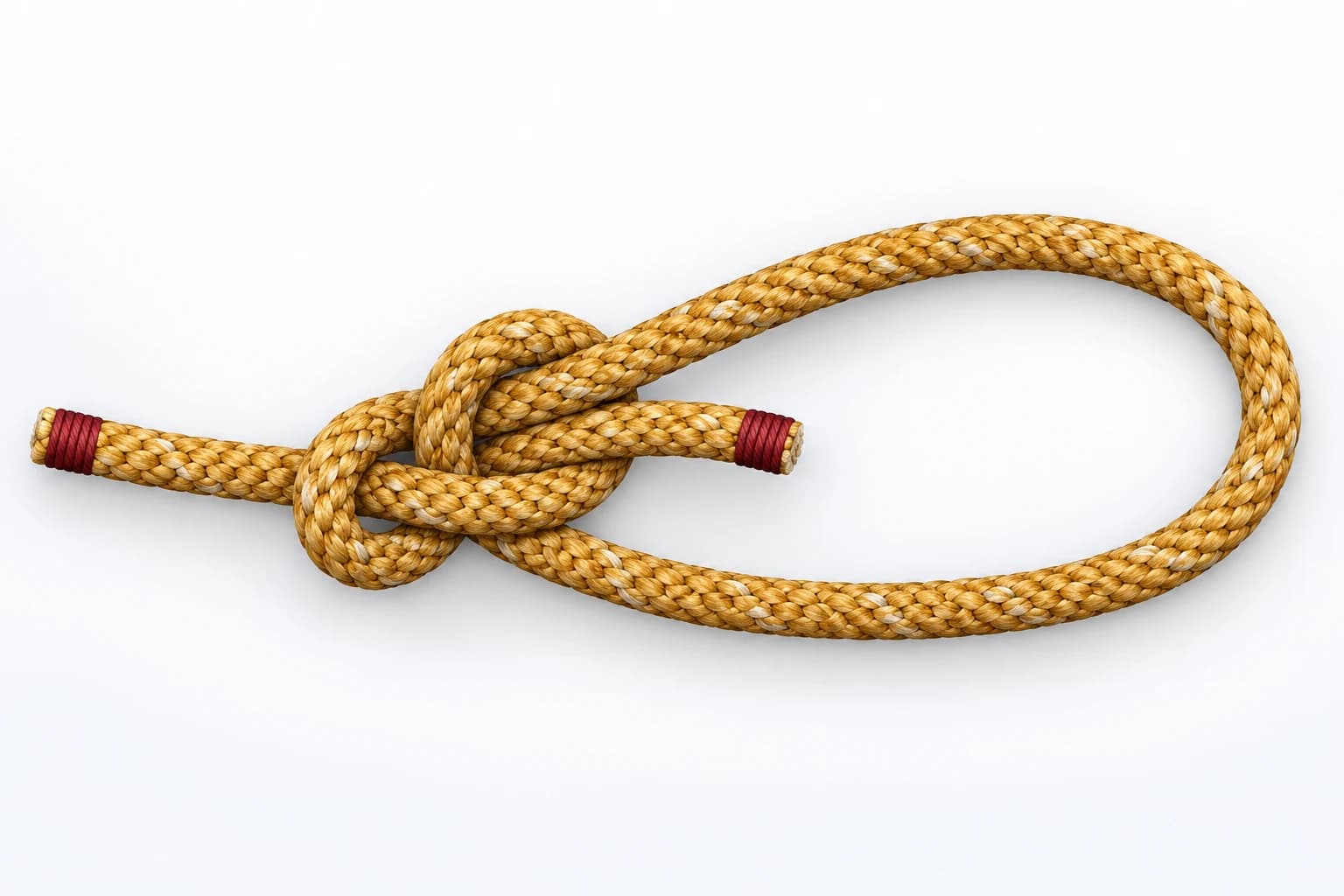
    The bowline forms a fixed end loop for a ring, post, or sail fitting. Open its card for the purpose, inspection point, and limitation.

    See the knot and its checks
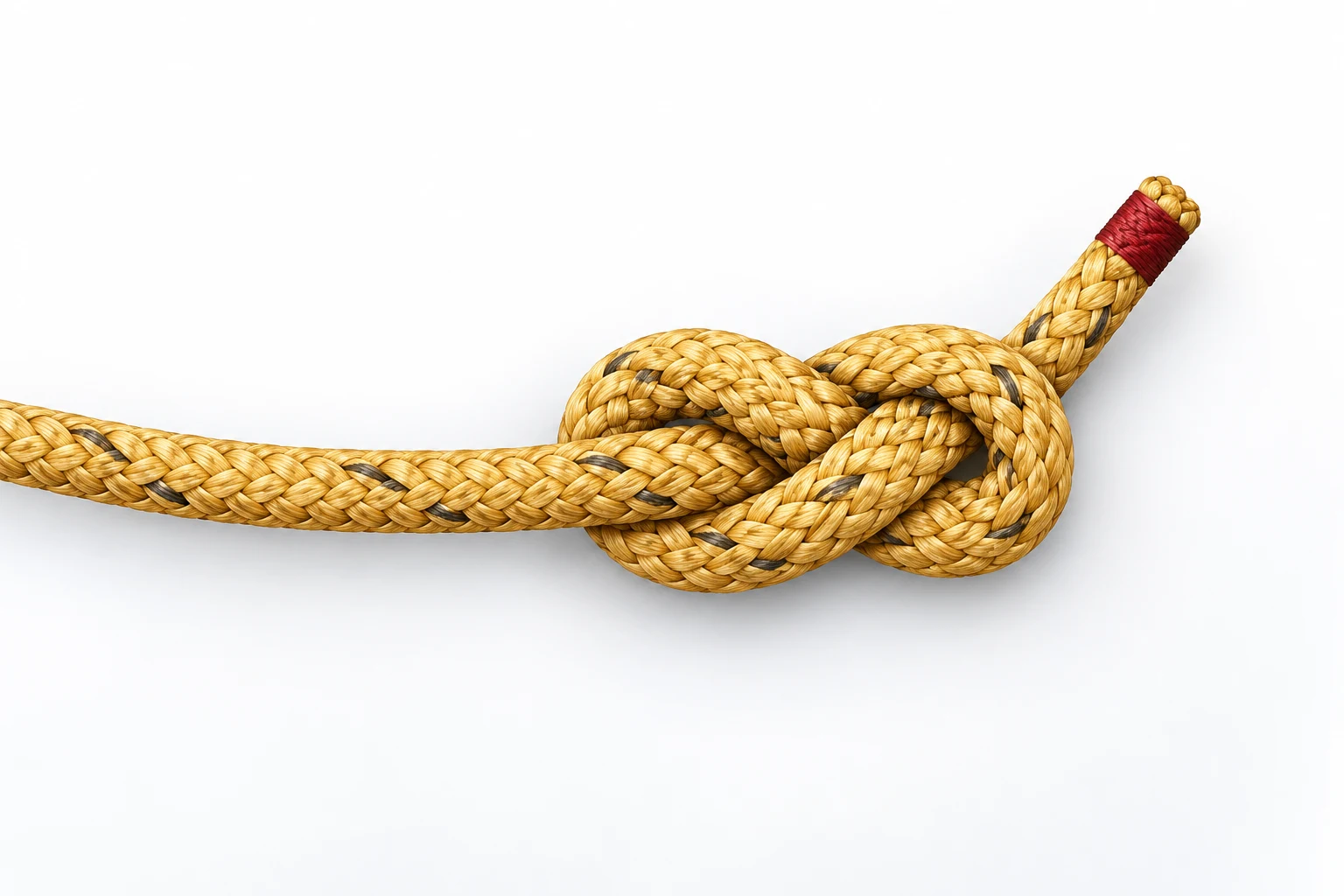
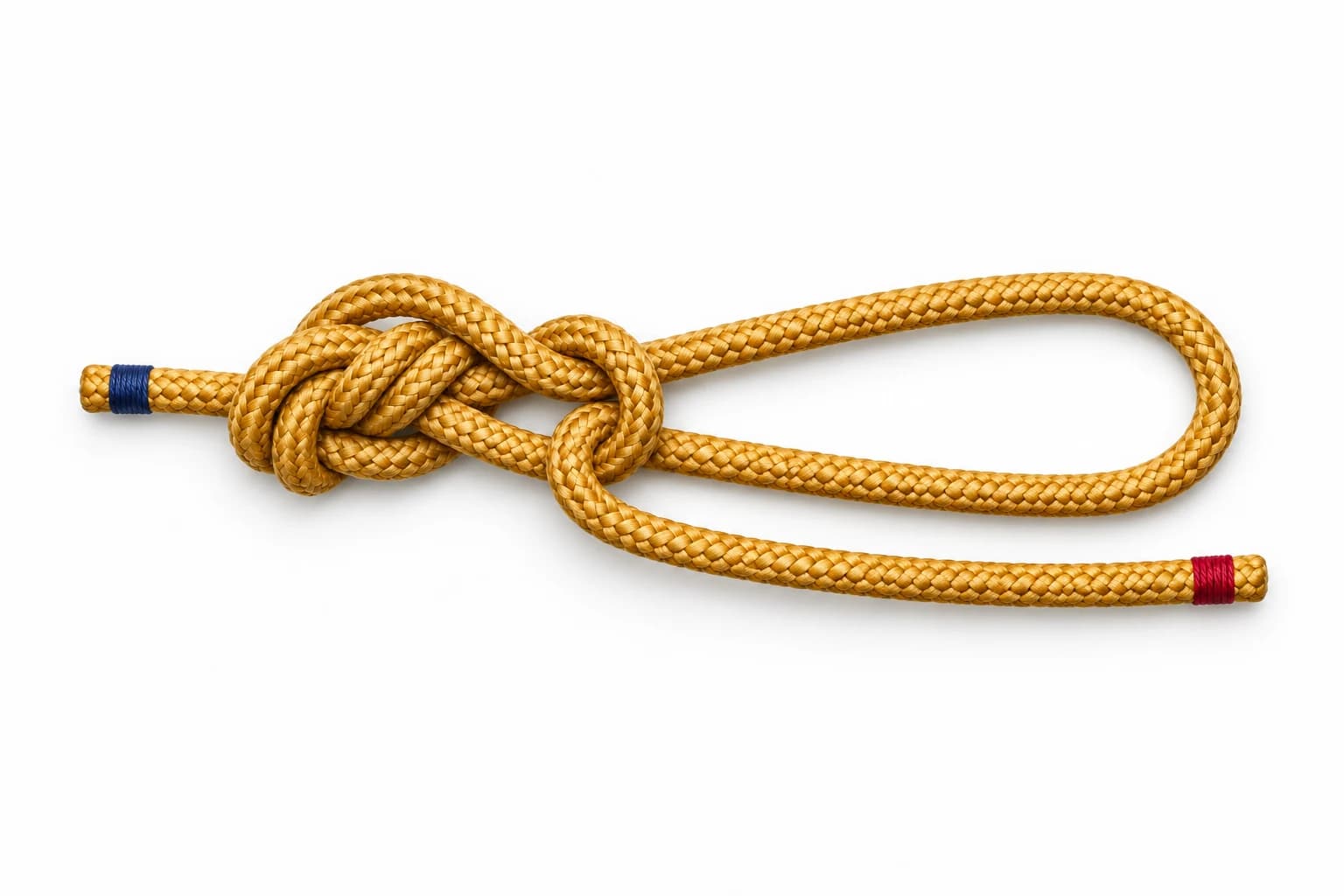
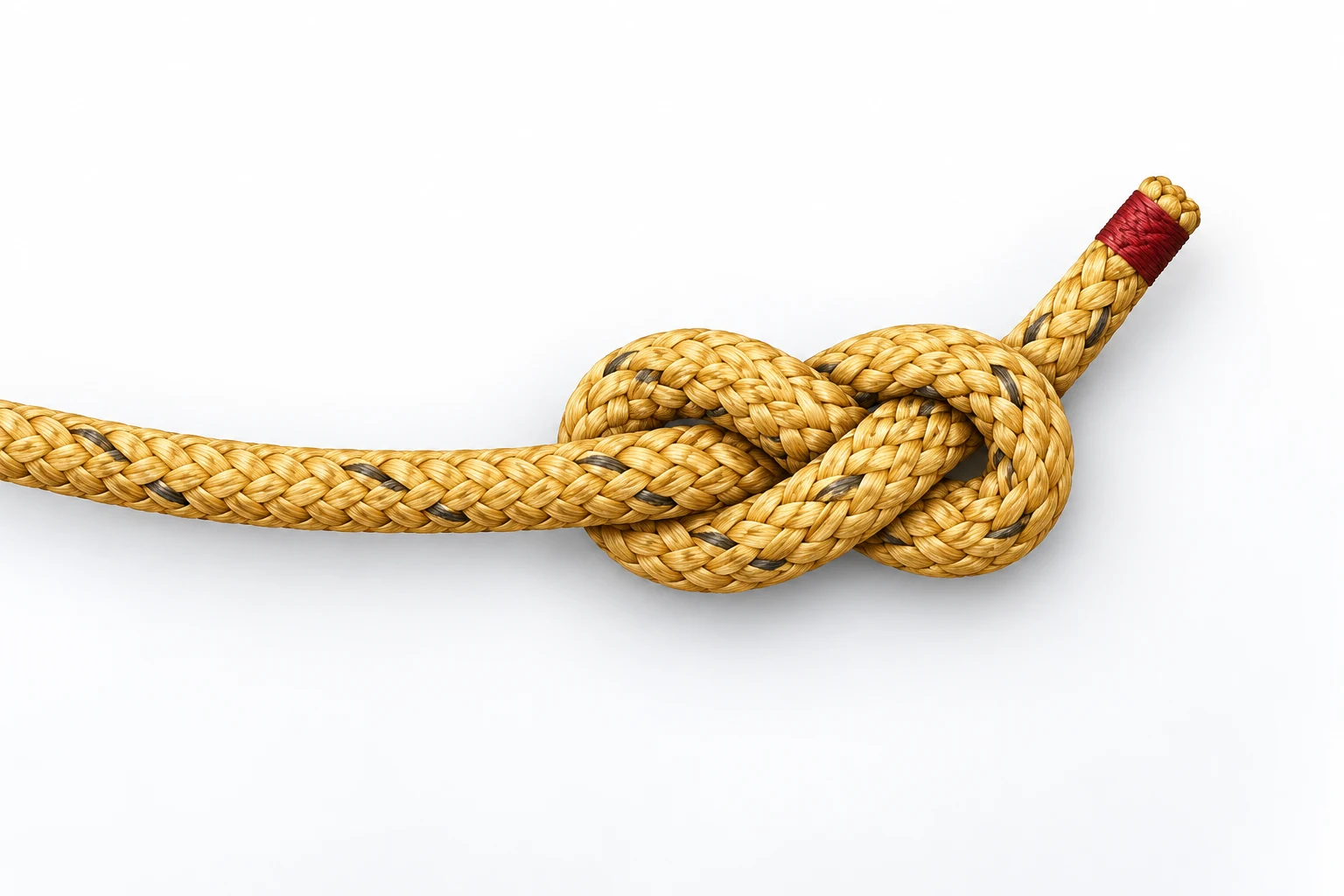
  2. Need a stopper? Check the figure-eight

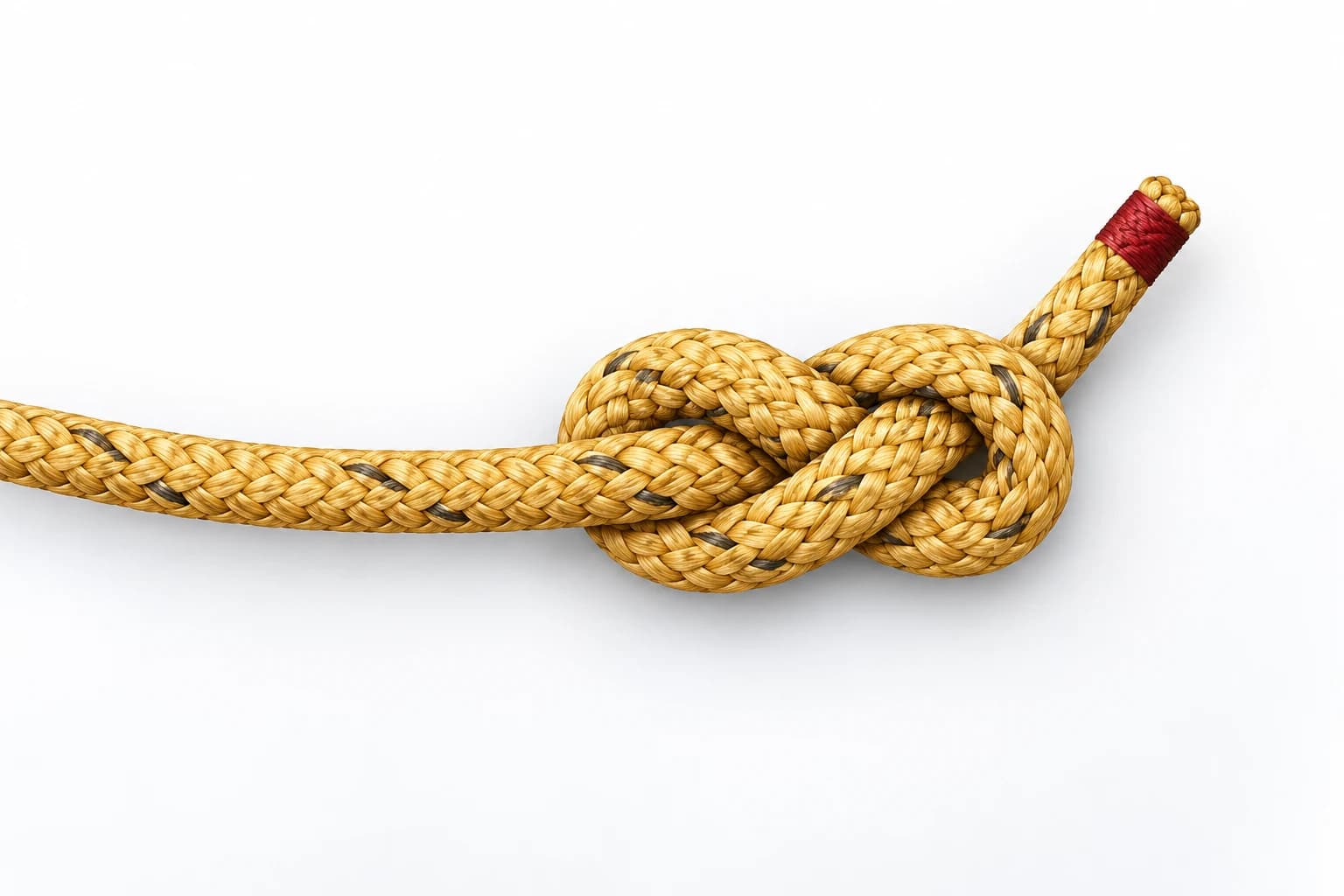
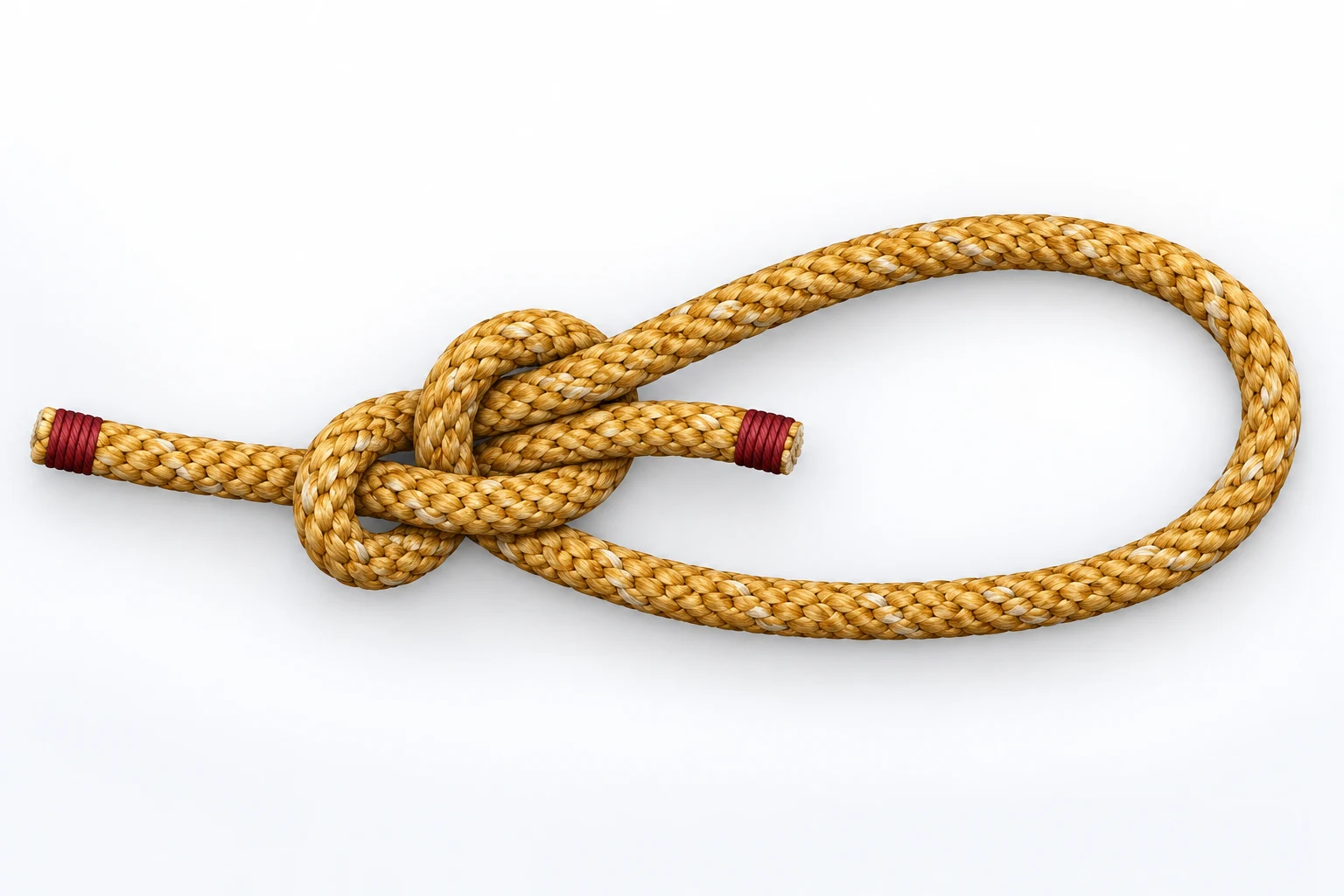
    The figure-eight stopper adds bulk at a line end so a sheet or halyard is less likely to run through a guide, block, or jammer.

    See the knot and its checks
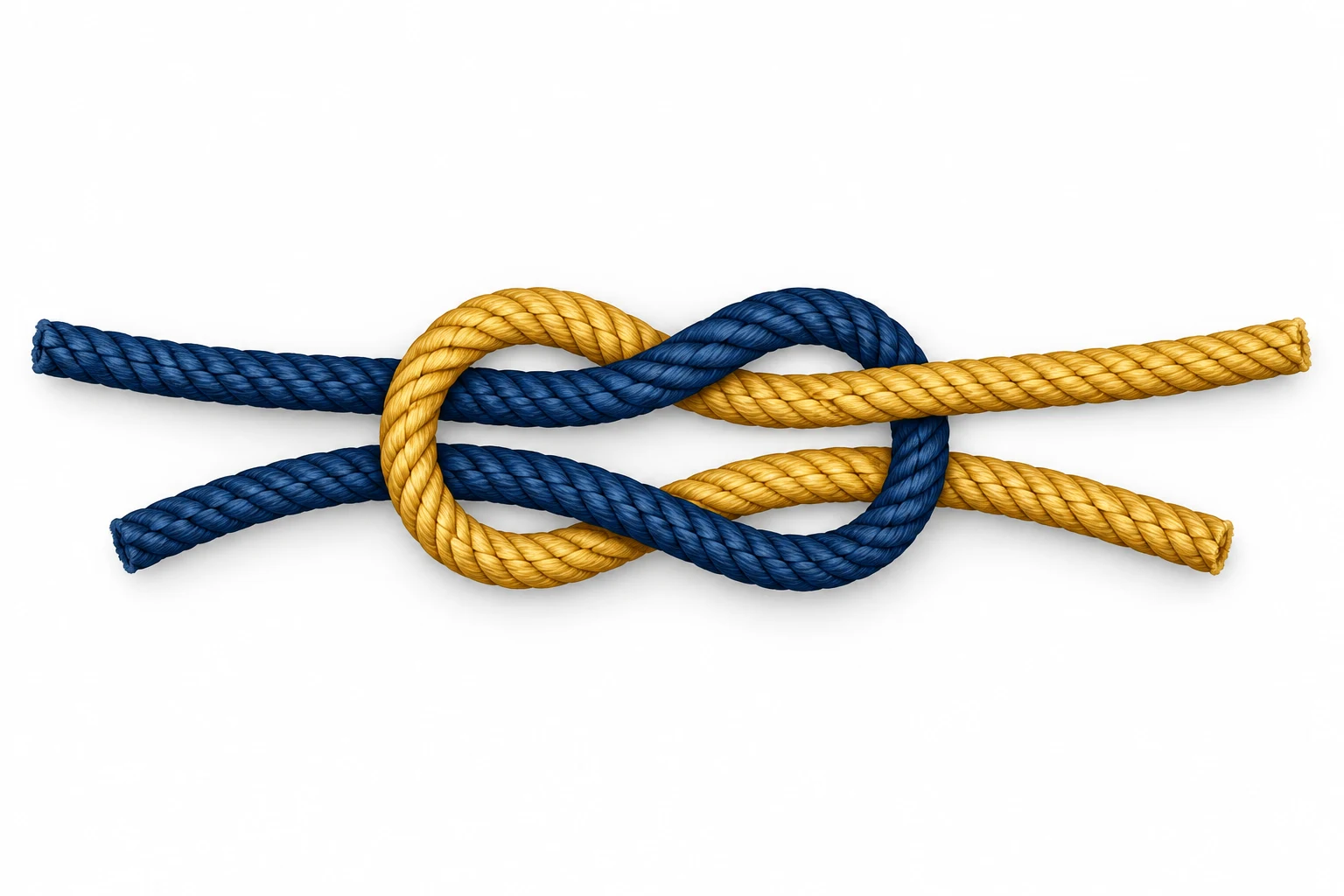
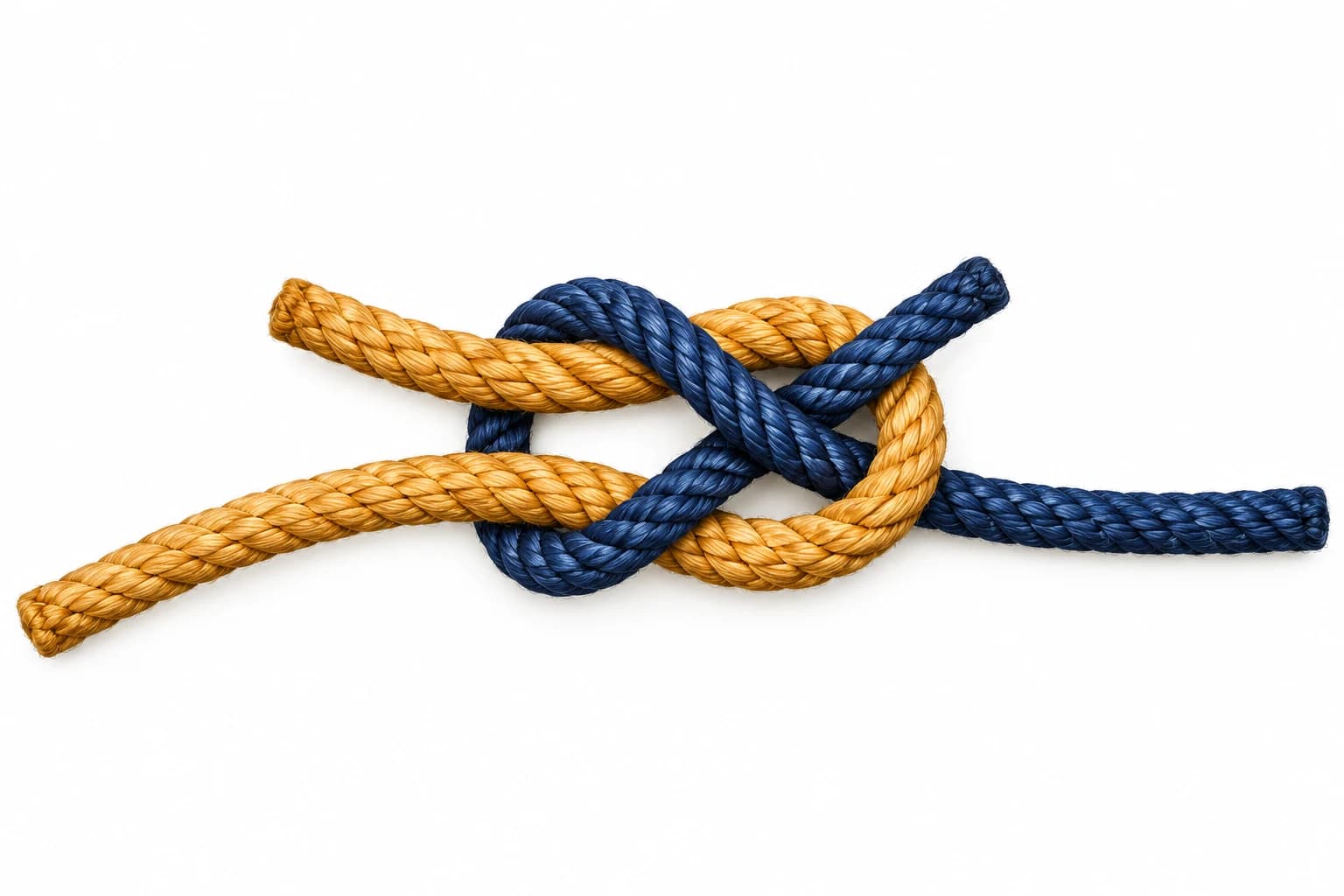
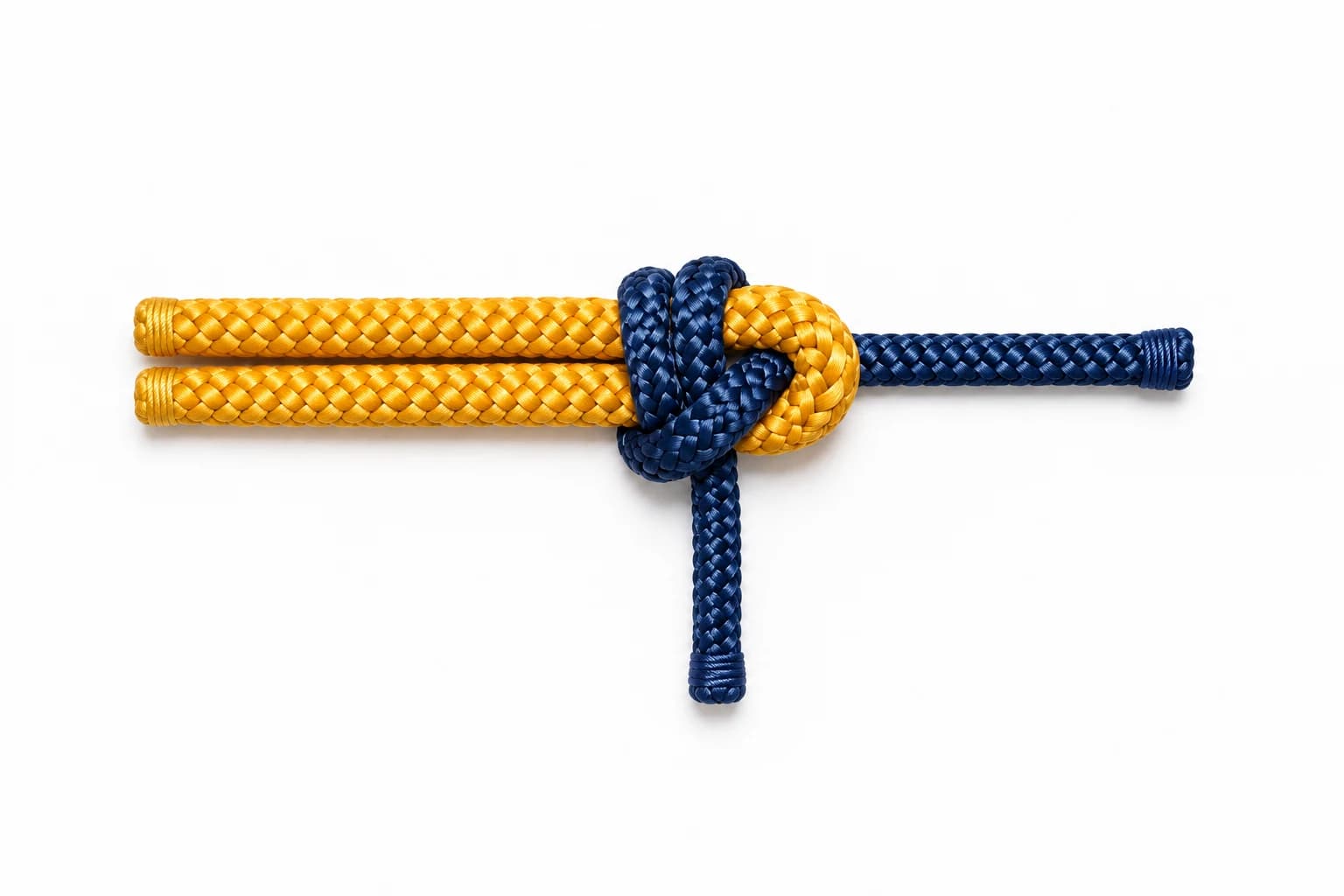
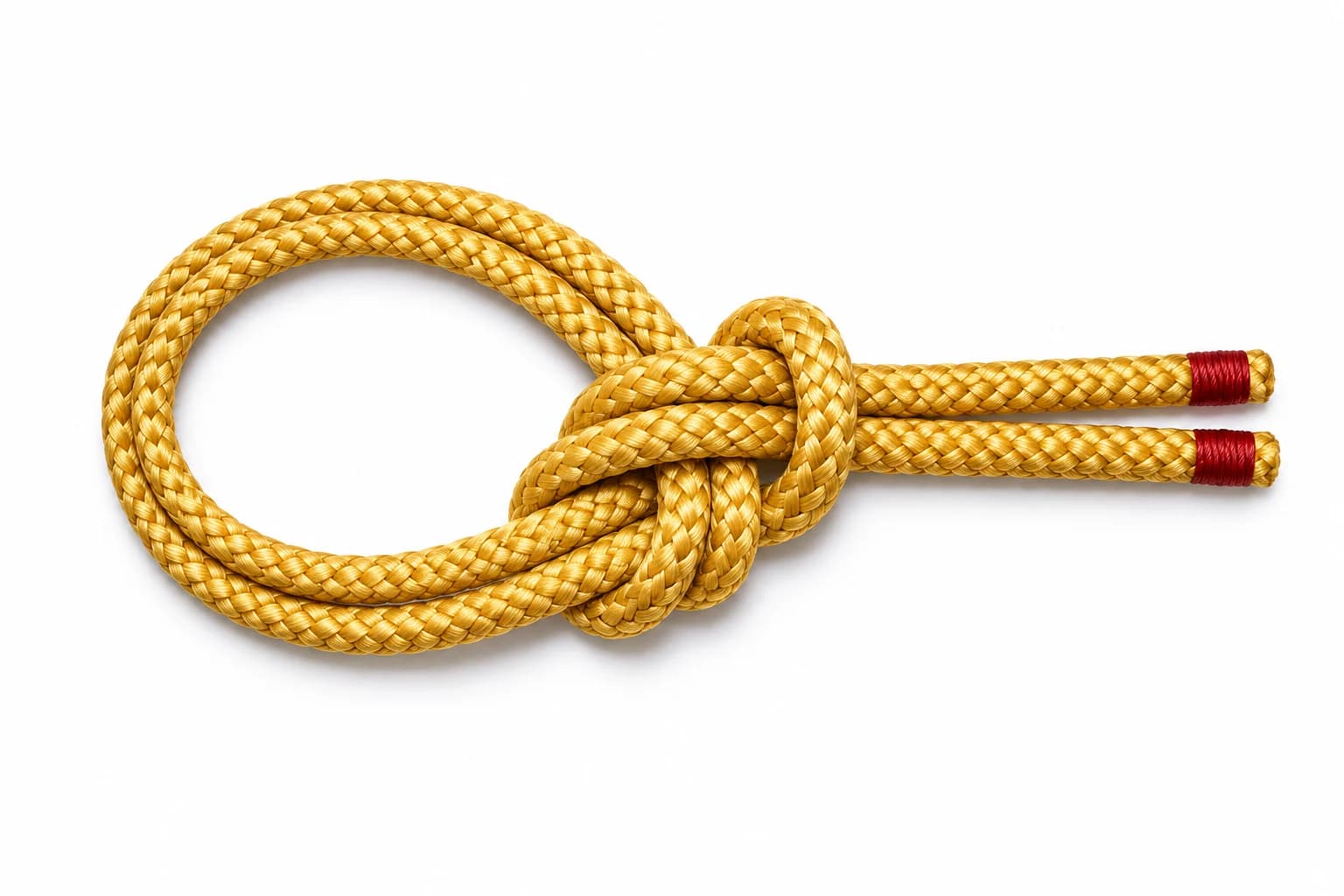
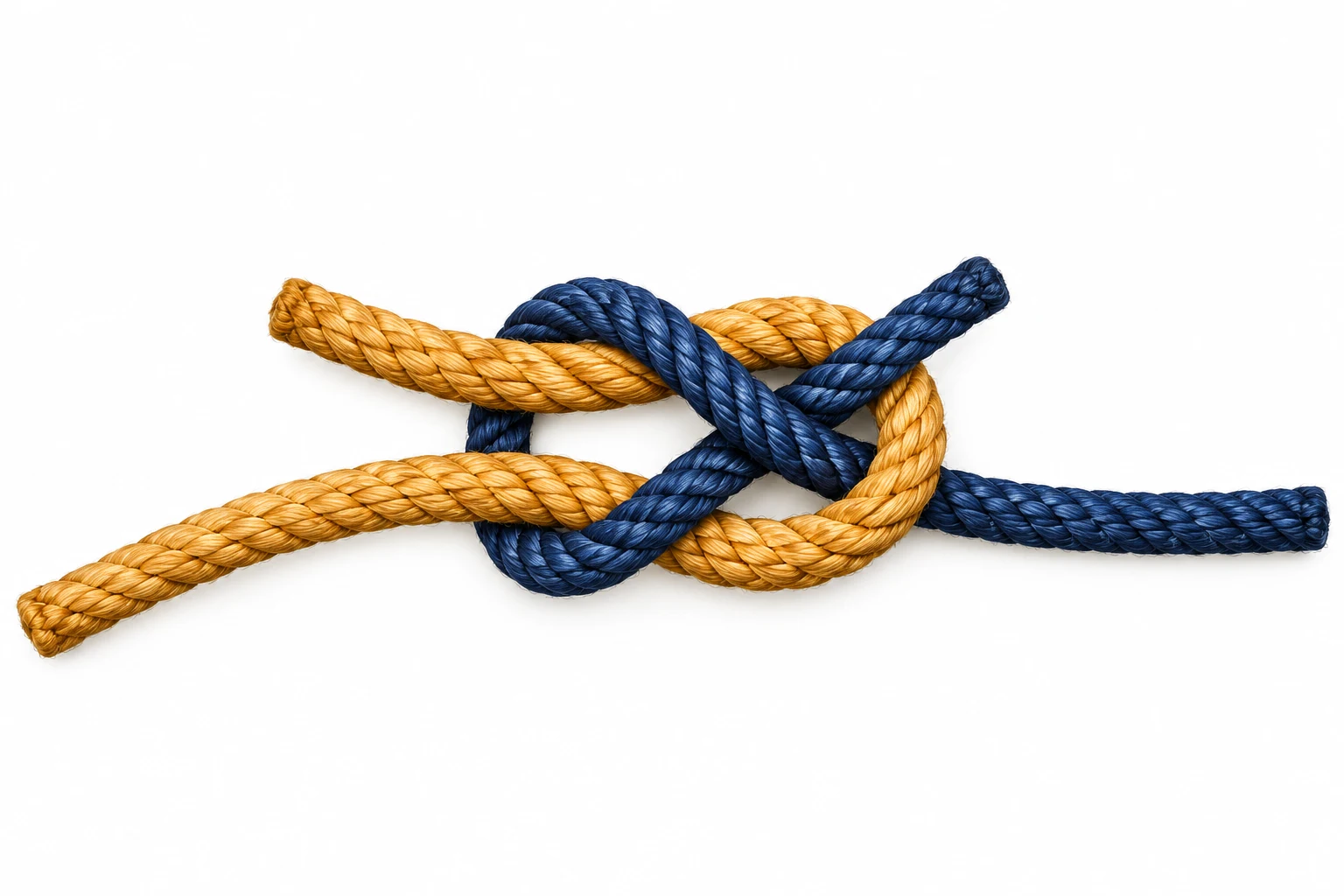
  3. Joining two lines? Compare the sheet bend

    The sheet bend joins two lines, especially when their diameters or stiffness differ. Open its card before choosing a bend for the job.

    See the knot and its checks

Four rope terms, in plain English

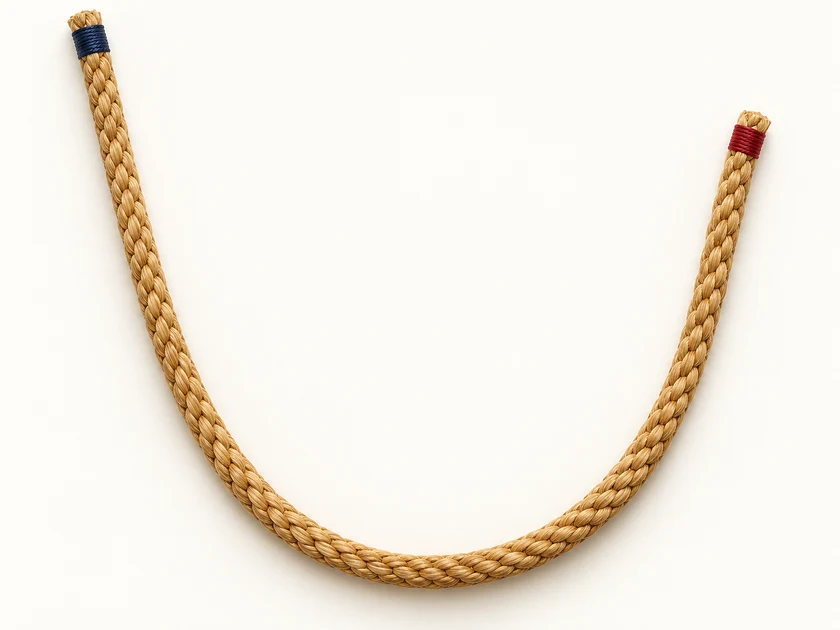
An open bight in one rope. The long standing part is on the left; the short working end is on the right.
Left, navy wrap: standing part. Right, red wrap: working end. The open U-shaped bend is a bight.
Working end
The free end you move when forming or adjusting a knot.
Standing part
The part of the line that leads away from the knot toward the load or attachment.
Bight
A U-shaped section of line made by folding it back without crossing the parts.
Loop
A closed opening in a line; a fixed loop keeps its size until the knot is changed.

What do you need the line to do?

Choose a task

8 knots

Which knot would you choose?

Choose an answer, then compare the job and the limitation. These checks practise knot selection, not practical competence.

1. You need a loop that keeps its size around a ring or sail fitting. Which knot best matches that job?
2. A sheet or halyard must stop at a guide, block, or jammer instead of running through it. Which knot fits the purpose?
3. You need to join two lines with different diameters or stiffness. Which knot matches that job?

Boating knot questions

What is the difference between a bowline and a figure-eight stopper?

A bowline makes a fixed eye at the end of a line. A single-strand figure-eight stopper adds bulk to the end to help stop it passing through an opening. Choose the bowline for a fixed eye and the figure-eight for an end stop; check the limitations on the matching card.

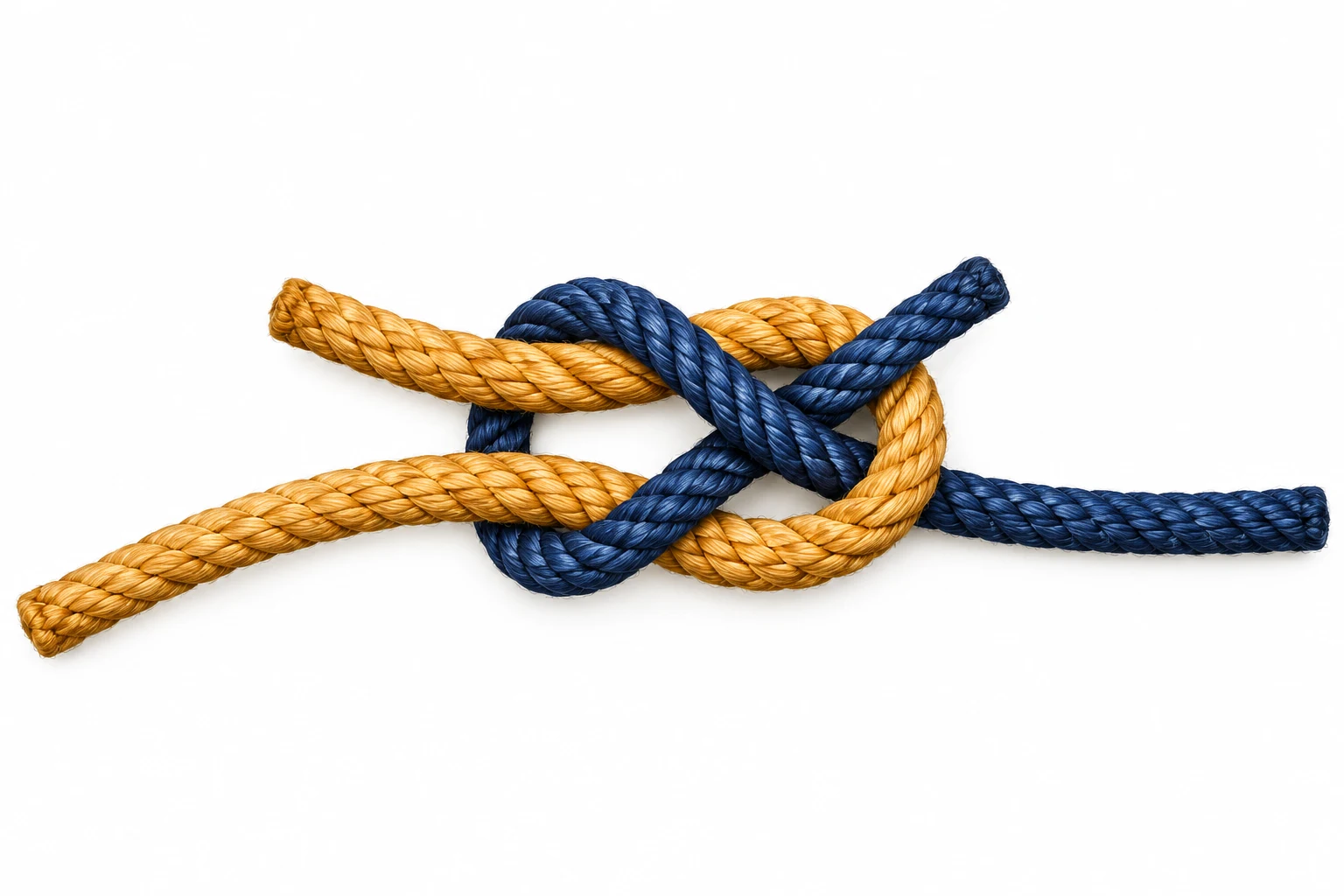
Should I use a reef knot or a sheet bend?

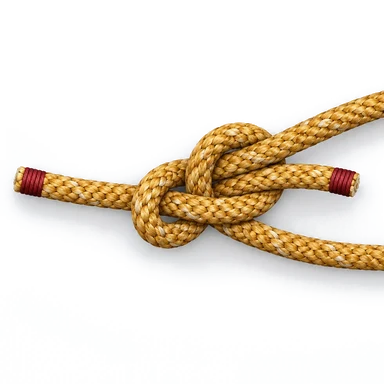
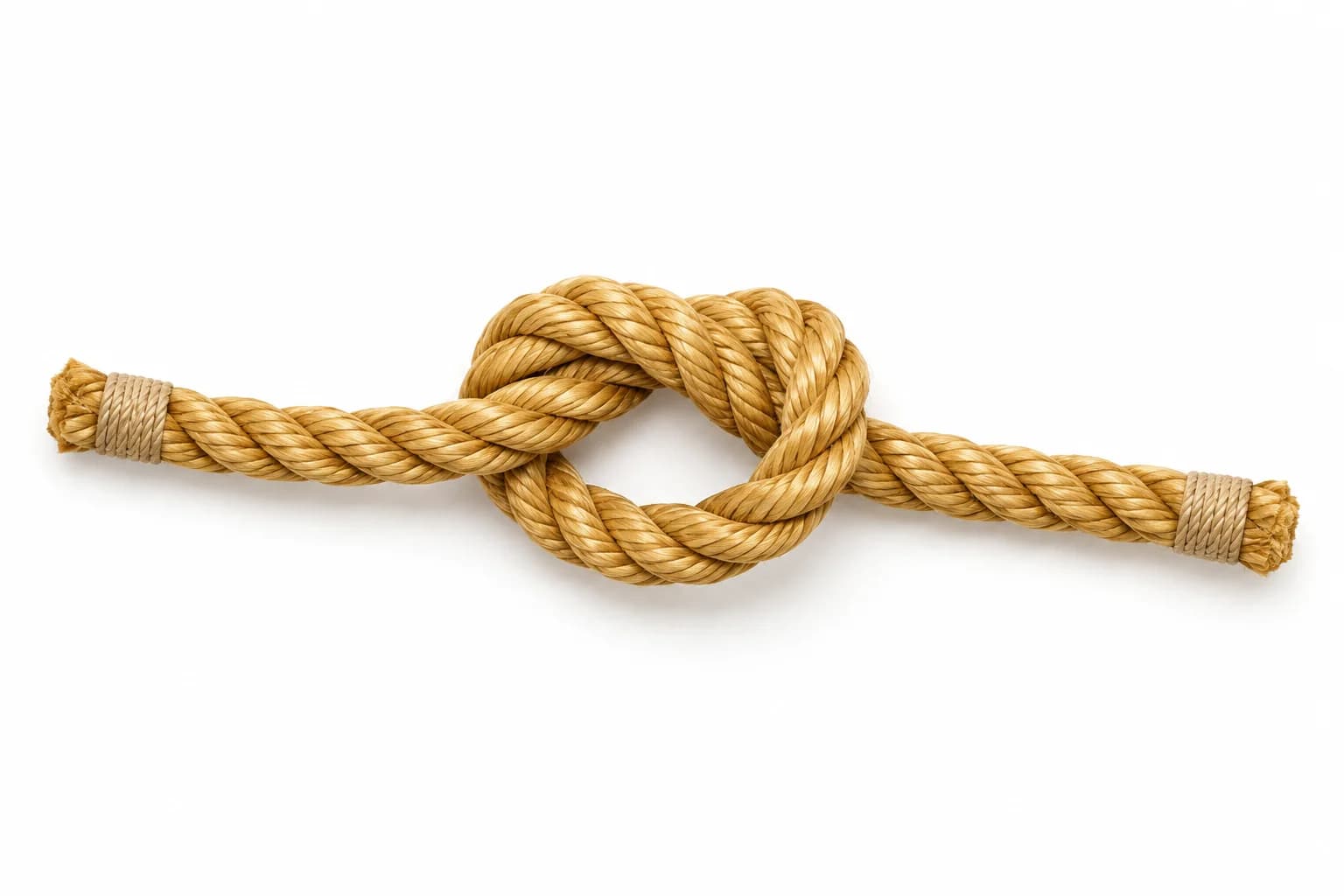
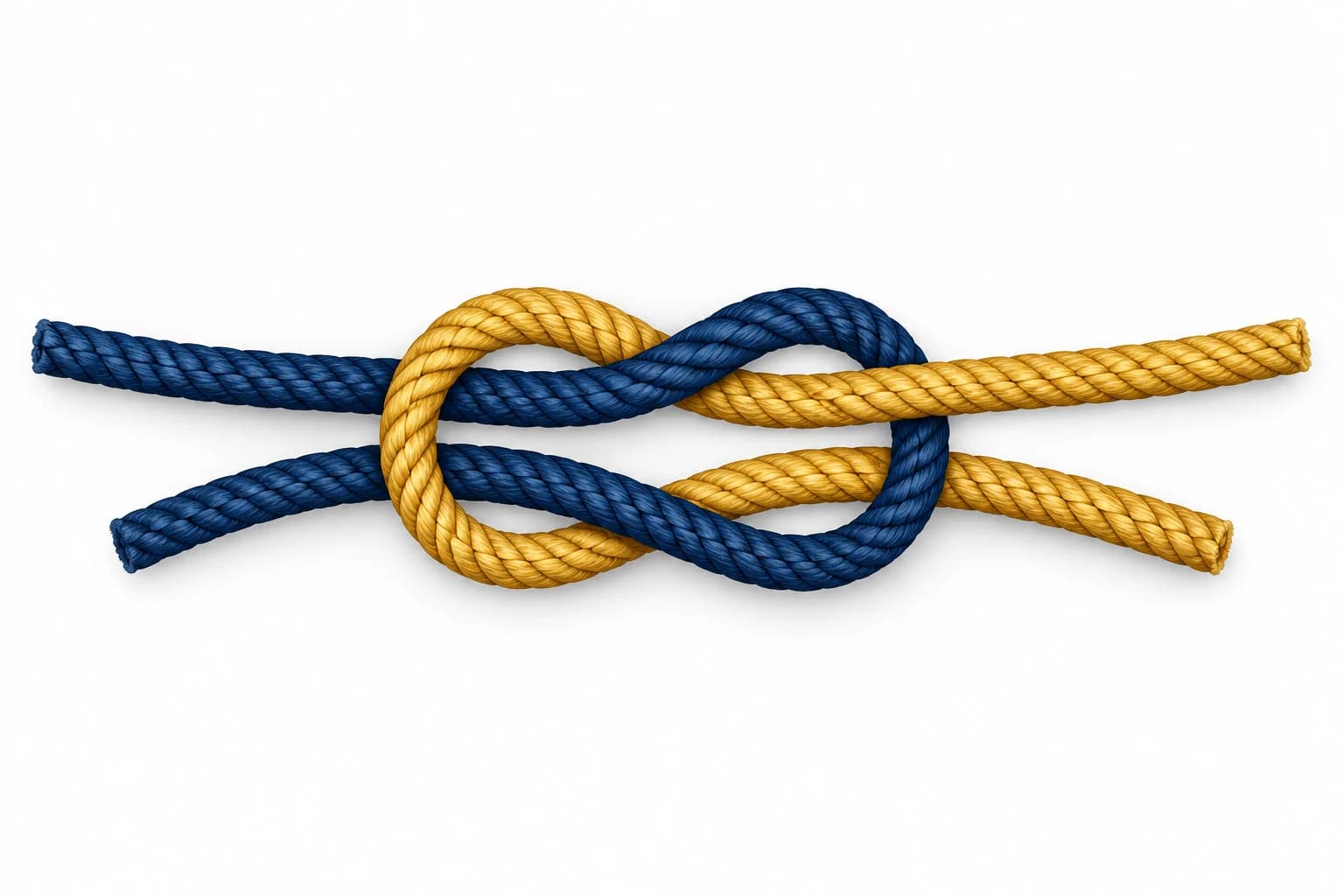
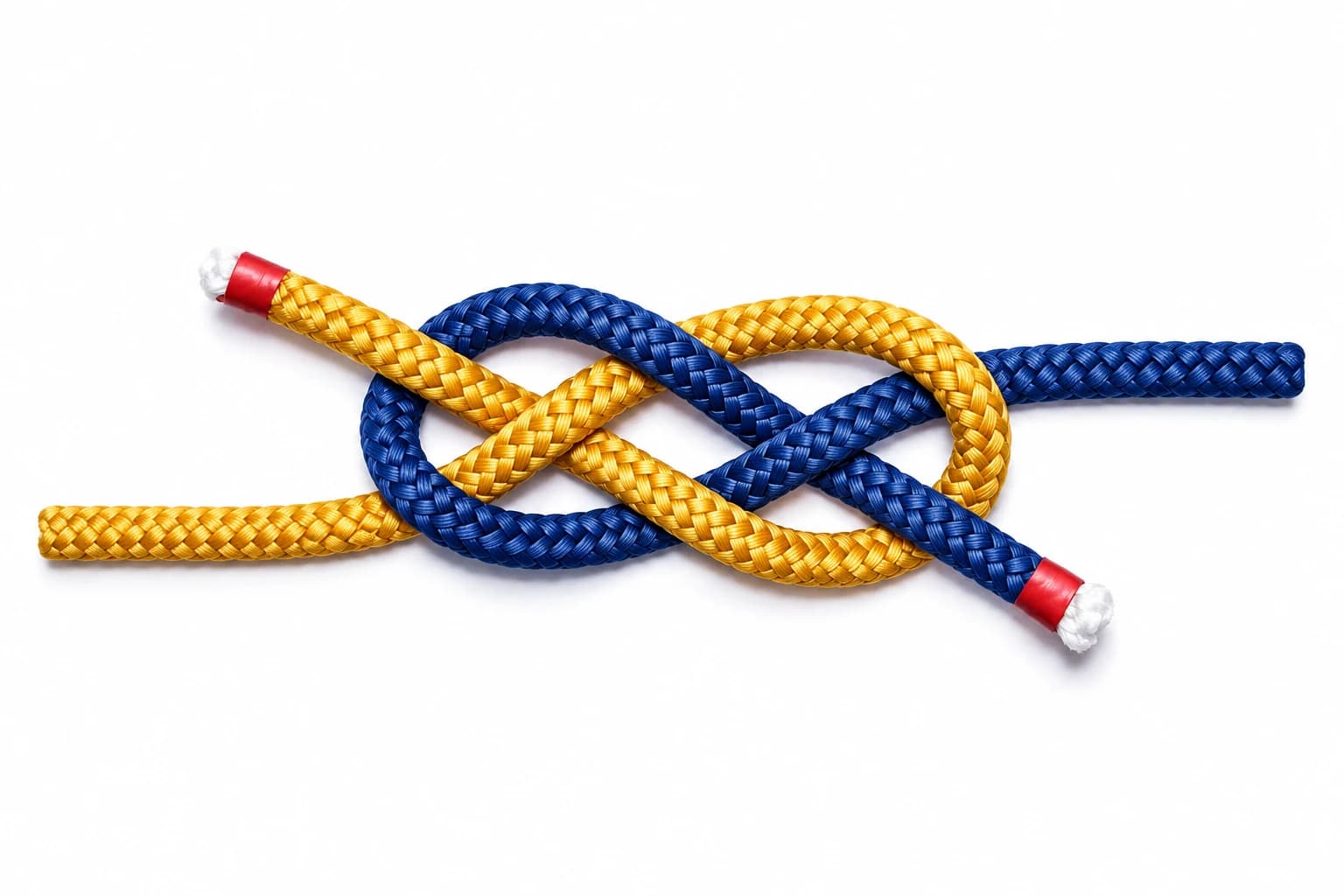
Use a reef knot to bind the two ends of one line around a sail cover, reef point, or light bundle. Use a sheet bend to join two separate lines, especially when their diameters or stiffness differ. The reef knot is not the bend for joining loaded or unequal lines.

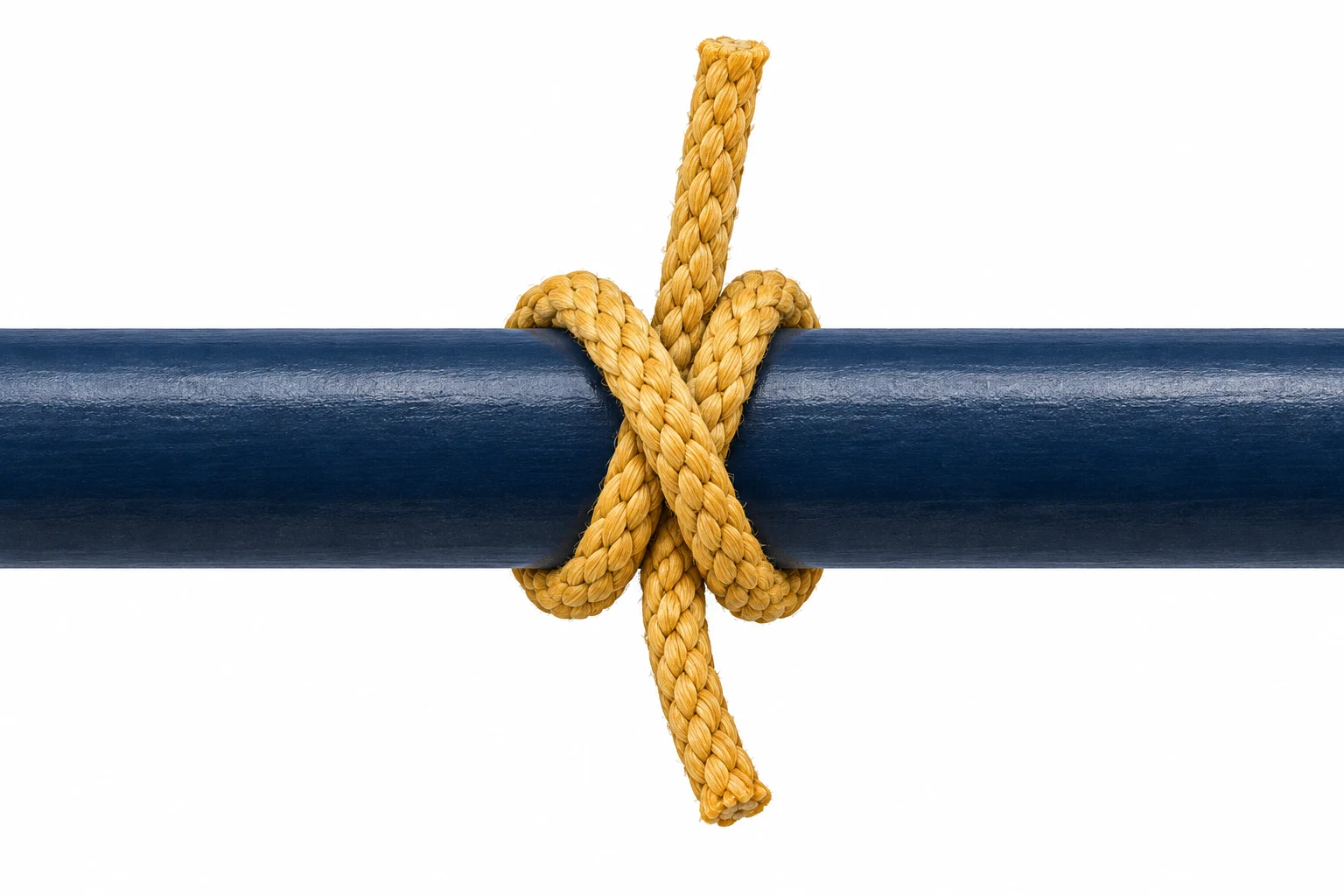
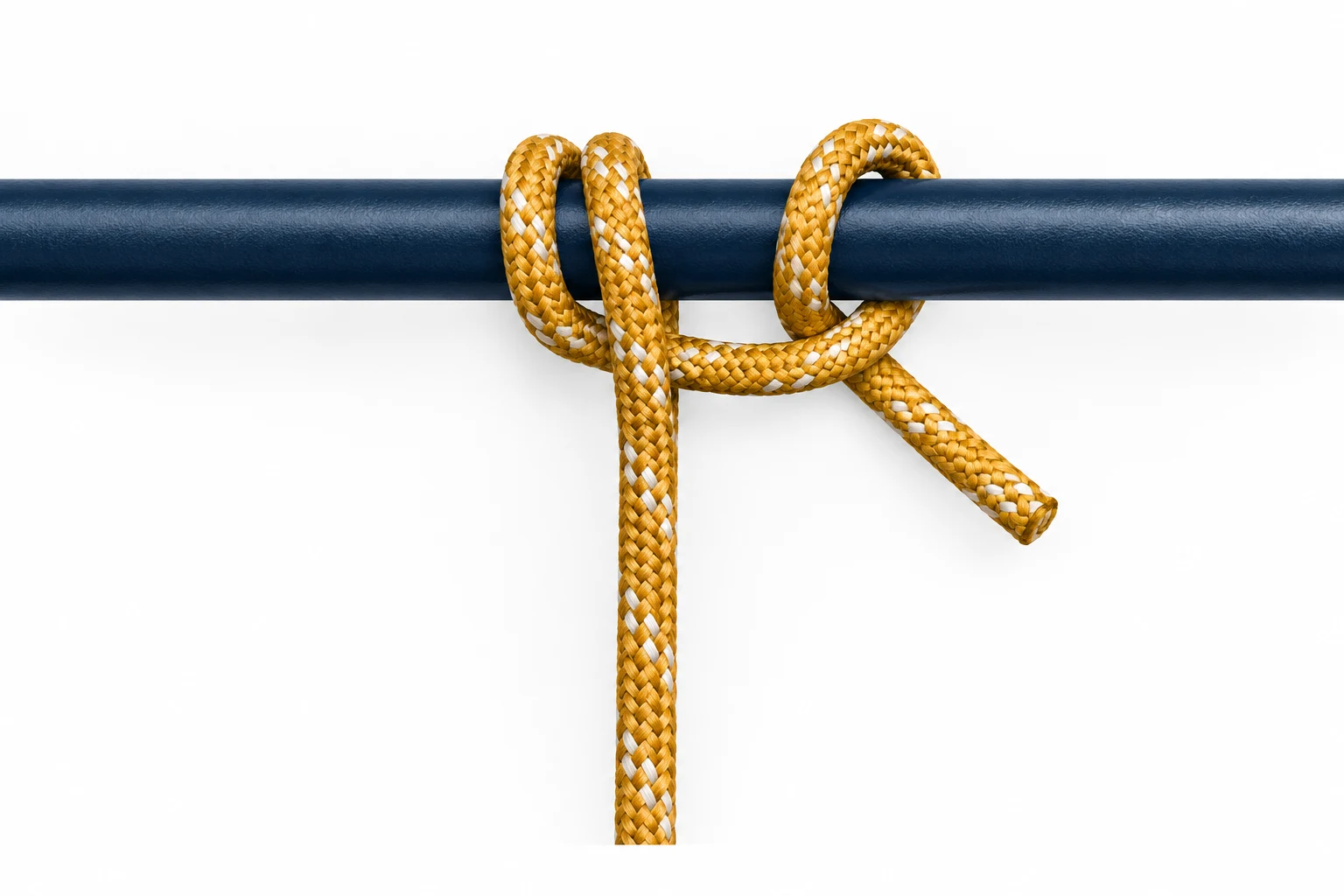
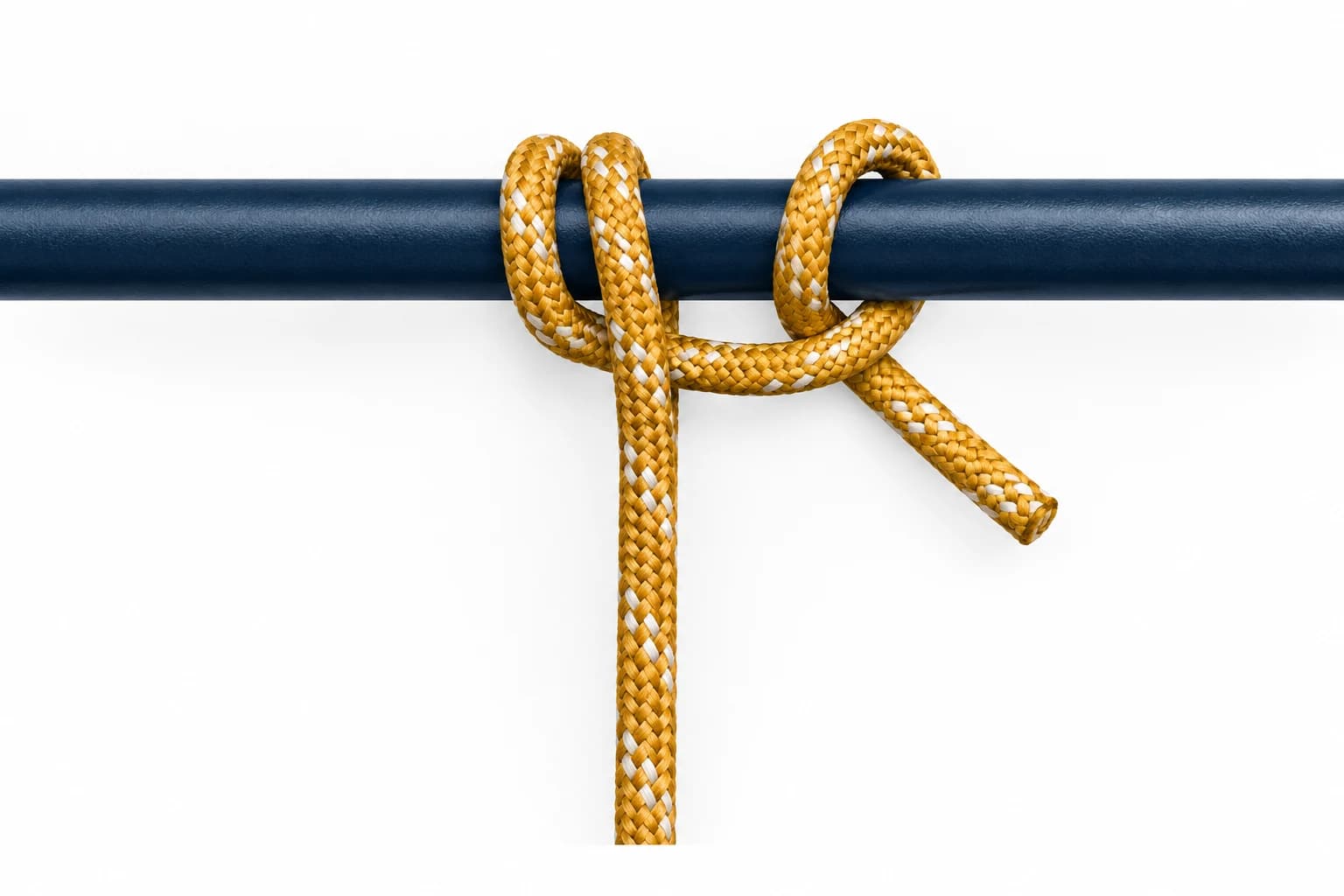
When is a clove hitch different from a round turn and two half hitches?

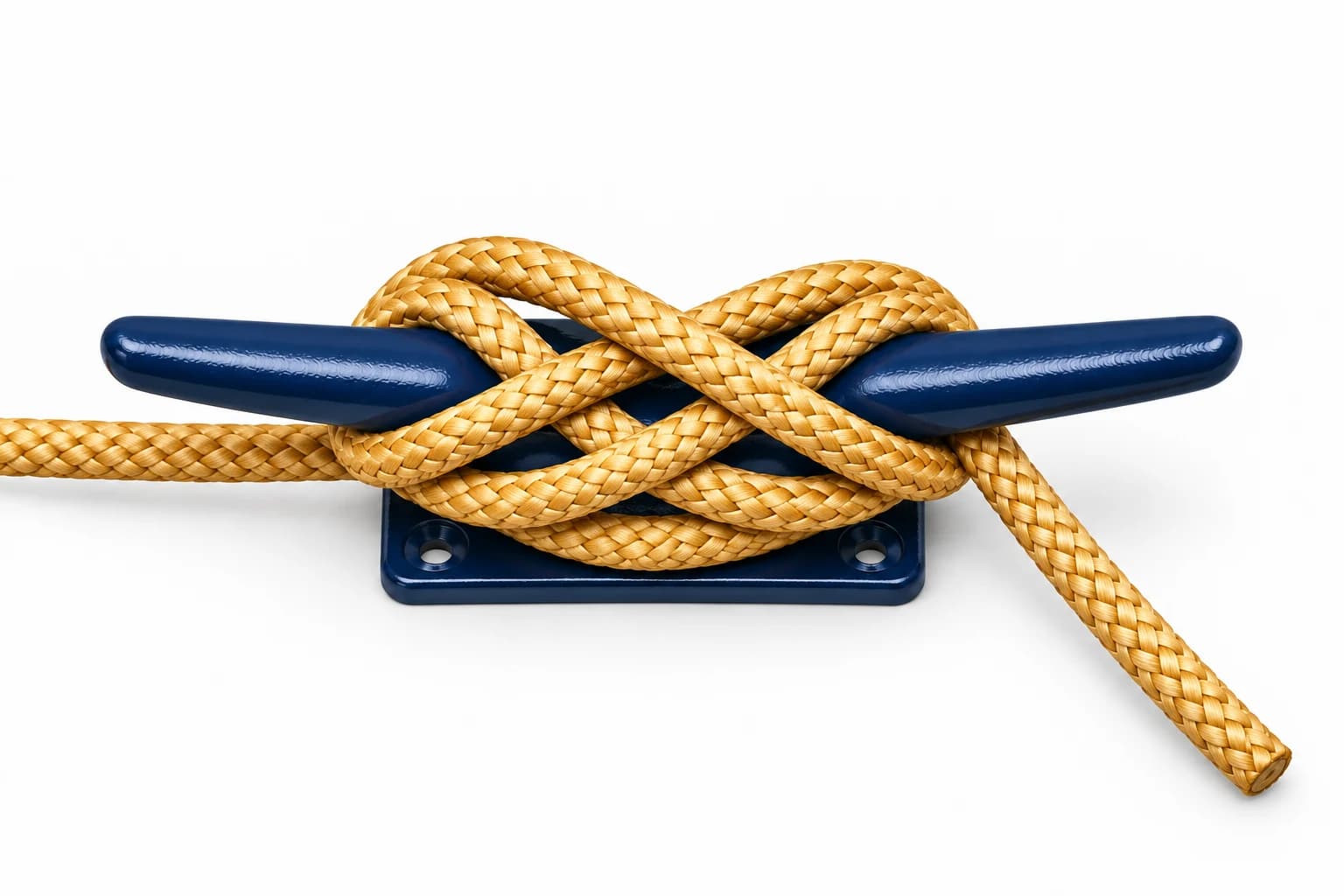
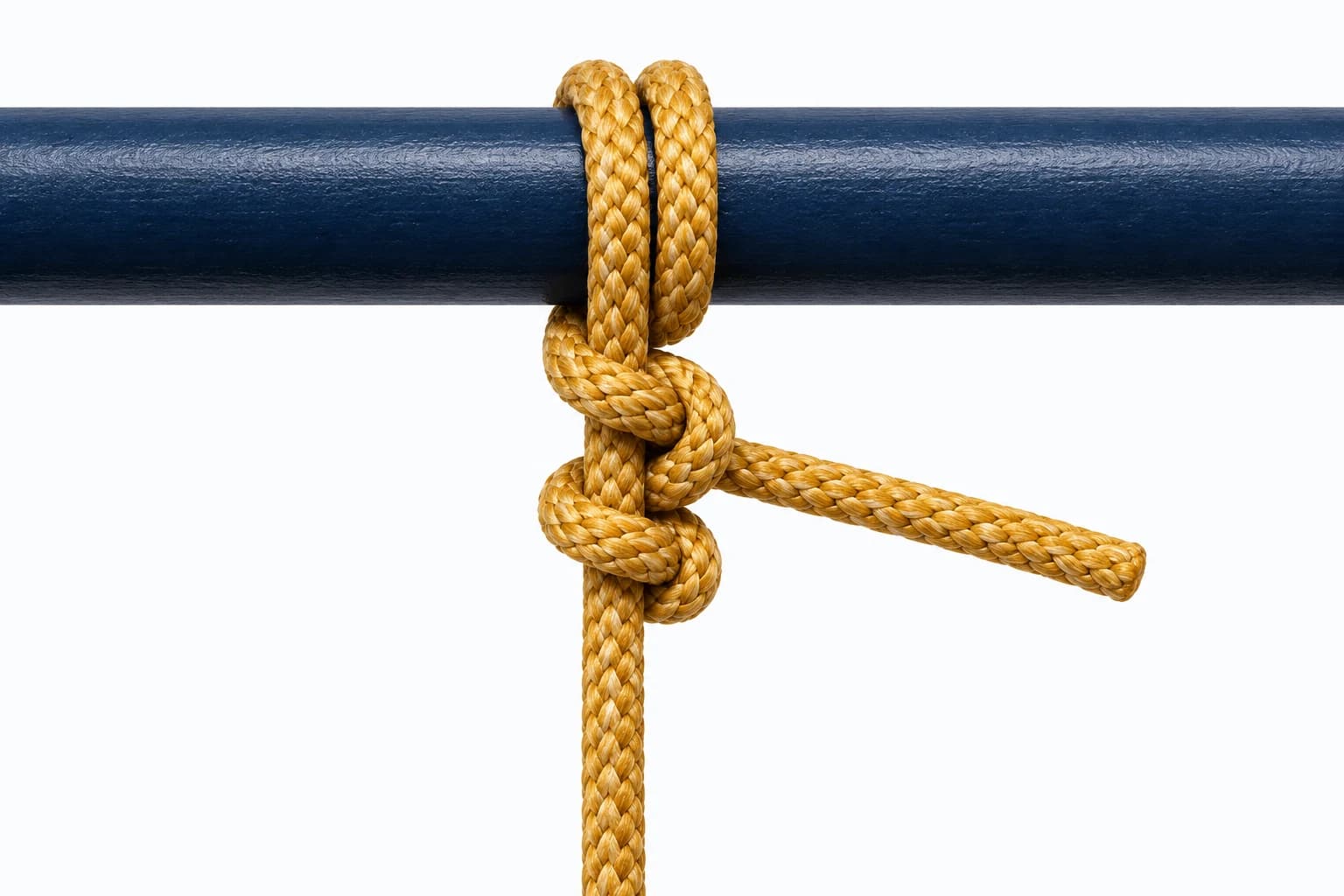
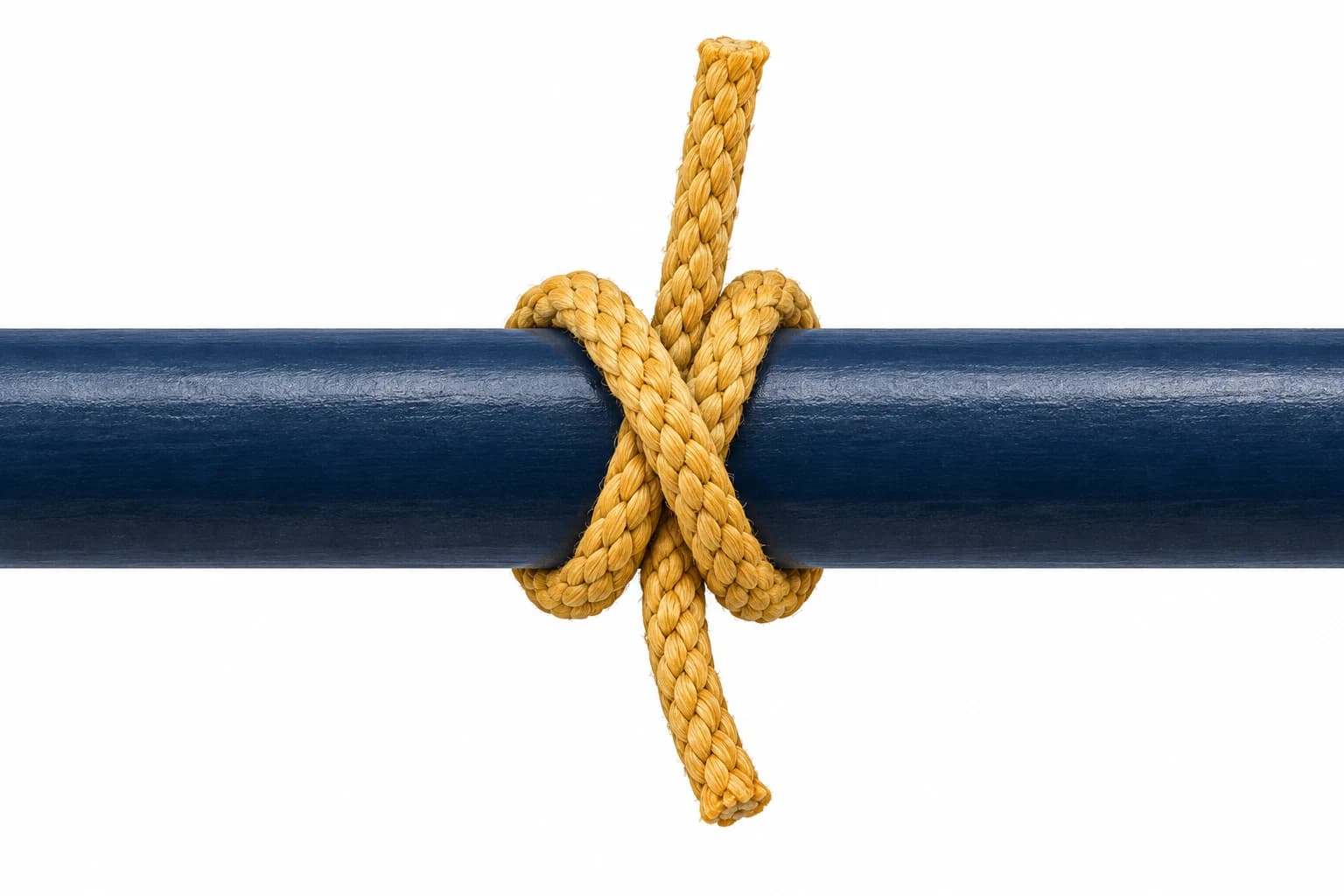
A clove hitch is a quick, adjustable temporary hitch on a round rail or post and needs attention when the pull changes. A round turn takes the strain first, while its two half hitches secure the line to a ring or post. Choose by the job and inspect either knot in the actual setup.

Can screen practice replace learning the rope skill?

No. A screen can help you remember names, jobs, terminology, and inspection points. It cannot show whether your hands dressed a knot correctly or whether the line, fitting, load, and conditions are suitable. Use this guide to prepare, then practise with real rope and appropriate supervision and safety procedures.

    Knots study certificate

    20 questions, 15 minutes, 80% to pass. Photos and situations from this page; sign in to receive the study certificate.

    Take the exam

    Knot reference checked September 9, 2026